
Progressive Metalcore Metalcore
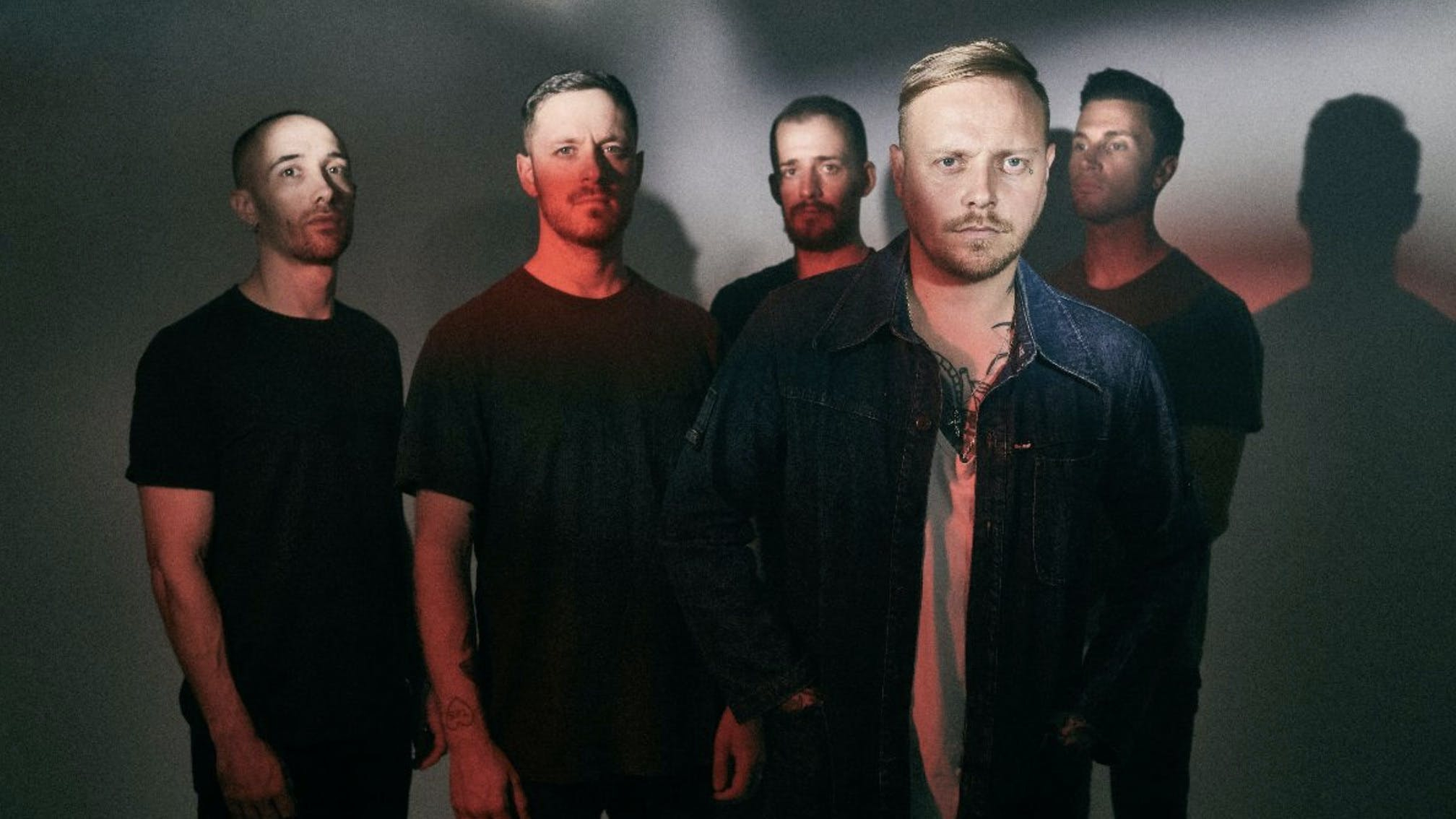
Architects Ciudad de México
Sunday, Apr 26, 2026
20:00
Radamés Treviño S/N, Jardín Balbuena, Venustiano Carranza, 15900 Ciudad de México, CDMX, Mexico, Ciudad de México, 15900
The Velódromo Olímpico Agustín Melgar, a historic sporting arena nestled in the heart of Mexico City, offers a unique and vibrant backdrop for a diverse range of events. While its primary design catered to athletic pursuits, the Velódromo has evolved into a celebrated venue for large-scale concerts, festivals, and public gatherings. Its expansive, open-air design, combined with a powerful sound system and impressive lighting capabilities, creates an electric atmosphere that resonates with crowds of all ages. This iconic location frequently hosts major music acts, from international superstars to homegrown talent, drawing in a demographic eager for exhilarating live performances. Visitors are drawn to its imposing structure and the palpable energy that fills the space during major events, making any visit to the Velódromo Olímpico Agustín Melgar a memorable experience, steeped in both sporting legacy and modern cultural celebration. It’s a place where history meets the pulse of contemporary entertainment.
The Velódromo Olímpico Agustín Melgar was constructed as a key facility for the 1968 Summer Olympics held in Mexico City. Officially inaugurated in 1968, it was designed to host the track cycling events, a core discipline of the Olympic Games. The architectural style of the time favoured functionalism with a touch of modernist flair, evident in its sweeping concrete structures and the functional layout designed for optimal viewing of the velodrome track. Its original capacity was substantial, accommodating tens of thousands of spectators eager to witness Olympic glory. The vision behind its creation was to provide Mexico City with world-class sporting infrastructure capable of hosting an international event of the magnitude of the Olympics, leaving a lasting legacy of athletic facilities. The track itself, a precisely engineered oval, was built to strict international standards, ensuring fair competition for the world's elite cyclists. The surrounding area was also developed with supporting infrastructure, aiming to create a comprehensive Olympic complex.
Since its Olympic debut, the Velódromo Olímpico Agustín Melgar has undergone several transformations, adapting to the changing needs of Mexico City's cultural landscape. While it initially served purely sporting purposes, its vast open space and robust infrastructure made it an attractive location for large-scale public events and concerts. Over the decades, it has transitioned from hosting predominantly athletic competitions to becoming a significant platform for diverse musical genres. The venue has played a crucial role in shaping the city's live music scene, providing a space large enough to accommodate the growing demand for major international tours and large music festivals. It has become synonymous with massive gatherings, witnessing the rise and evolution of various musical movements in Mexico, from rock and pop to electronic dance music and traditional folk festivals. The Velódromo has cemented its place as a cultural landmark, a place where shared experiences and vibrant performances leave an indelible mark on the city's collective memory.
The Velódromo Olímpico Agustín Melgar has been the stage for countless unforgettable performances that have etched themselves into the annals of music history. While specific record-breaking nights might be difficult to pinpoint without detailed archives, the venue has consistently attracted global superstars, creating moments of pure sonic magic. It's a space where artists have delivered career-defining concerts, leaving audiences in awe. Many international acts have chosen the Velódromo for their significant Mexico City appearances, using its vastness to create spectacular visual and auditory experiences. For emerging artists, performing at the Velódromo has often signified a major breakthrough, a testament to their growing popularity. Memorable moments often involve spectacular stage designs, record attendance figures for specific tours, or unique collaborations that have only happened within its walls. The sheer scale of events hosted means that the Velódromo has witnessed history being made, both for the artists and the devoted fans who fill its stands.
While the Velódromo Olímpico Agustín Melgar is a prominent landmark in Mexico City, it does not have a direct train station immediately adjacent for national or international rail travel in the way European cities might. For intercity travel, the primary rail hub would be the stations serving Mexico City, such as the former Buenavista station or others connected to the nation’s rail network, though these are primarily for long-distance freight and limited passenger services. For travel within Mexico City, the Metro system is the most efficient and widely used form of public transport. The nearest Metro stations to the general vicinity of the Velódromo are often several kilometres away, requiring a subsequent bus or taxi journey. Train services from other major Mexican cities, if available, would terminate at stations requiring onward travel via other means to reach the Velódromo.
The Velódromo Olímpico Agustín Melgar is well-served by Mexico City's extensive public bus network, making it accessible from various parts of the sprawling metropolis. Numerous local bus routes (rutas) converge in the vicinity of the Autódromo Hermanos Rodríguez and the surrounding Olympic facilities, where the Velódromo is located. Key routes often include those running along major avenues that border the Magdalena Mixhuca Sports City. These routes connect the Velódromo to central districts, outlying neighbourhoods, and major transport interchanges like Metro stations. For example, routes originating from areas like Pantitlán or Ciudad Deportiva can provide direct access. Journey times from the city centre can vary significantly depending on traffic, typically ranging from 30 to 60 minutes. The primary local transport operator is the Sistema de Movilidad Integrada (MI) of Mexico City, which coordinates bus, Metro, and other transit services.
Driving to the Velódromo Olímpico Agustín Melgar is a common option, especially for those travelling from outside the immediate city centre or preferring the convenience of a private vehicle. The venue is situated within the Ciudad Deportiva Magdalena Mixhuca, accessible via major thoroughfares. A useful postcode for navigation systems would be 15850, which covers the general area of the Sports City. Driving directions often involve heading towards Viaducto Piedad or Avenida Río Churubusco, then following signs for Ciudad Deportiva. Parking is typically available within the designated areas of the Magdalena Mixhuca Sports City during events, though availability can be limited, and charges often apply. These parking areas are usually on-site surface lots. There are no formal park and ride schemes directly linked to the Velódromo itself. Accessible parking spaces are generally allocated within the main parking zones, with designated drop-off points near the venue entrances.
The Velódromo Olímpico Agustín Melgar aims to be accessible to all attendees, though specific facilities can vary. As a large, open-air venue, wheelchair accessibility is generally provided for the main spectator areas, with designated viewing spots and ramps to facilitate access. Accessible restrooms are typically available within the complex, though their exact location and number should be confirmed upon arrival. Information regarding hearing loop or induction loop systems is not widely publicized, and attendees with hearing impairments are advised to contact the venue directly or inquire on the day of the event. Assistance animals are usually permitted. Companion care facilities are not a standard offering, and visitors requiring specific personal assistance should make arrangements accordingly. Designated accessible parking spaces are available near the venue entrances, and staff are generally on hand to offer guidance and assistance to visitors with disabilities.
When planning your visit to the Velódromo Olímpico Agustín Melgar, it's essential to be aware of typical operational guidelines. Door opening times usually vary depending on the specific event, but generally, entry begins 1-2 hours before the scheduled start time. Age restrictions can also differ; while many concerts are open to all ages, some may have minimum age requirements, especially for standing areas, so checking the event details is crucial. Security is present at all events, and a strict bag policy is often enforced, with restrictions on the size and type of bags permitted. Prohibited items commonly include weapons, drugs, professional cameras, and outside food and beverages. Photography and video policies vary by artist and event promoter; small, non-professional cameras might be allowed, but it's best to confirm beforehand. Bringing your own food and drink is generally not permitted, with concessions available inside. Re-entry is typically not allowed after leaving the venue.
The area surrounding the Velódromo Olímpico Agustín Melgar offers a developing, though not extensive, range of dining options. For a quick and budget-friendly bite, street food stalls (taquerias) are a hallmark of Mexico City and can be found near major public transport hubs or event entrances, offering classic tacos, quesadillas, and other local delights. Within a short taxi or moderate walk, you might find more established eateries. The nearby Foro Sol and Autódromo Hermanos Rodríguez also host various food vendors during major events, providing a range of casual options. For more sit-down experiences, venturing slightly further afield towards neighbourhoods like Roma or Condesa, accessible via public transport or taxi, will open up a vast array of mid-range and fine dining restaurants. These areas offer diverse cuisines, including traditional Mexican, Italian, Asian, and contemporary international fare, with options catering to vegetarian, vegan, and other dietary needs.
Accommodation options directly adjacent to the Velódromo Olímpico Agustín Melgar are limited, primarily focusing on functional and business-oriented hotels catering to the surrounding business districts and Olympic facilities. You may find mid-range hotels a few kilometres away, requiring a short taxi or bus ride, offering standard amenities. For budget-friendly stays, hostels and guesthouses are more commonly found in established tourist areas like the Historic Centre or neighbourhoods like Condesa and Roma, which are a moderate journey from the venue. These areas also benefit from excellent transport links, including Metro stations, facilitating onward travel to the Velódromo. Many hotels in these central locations offer luggage storage facilities, late check-in, and can accommodate late check-outs upon request, which can be advantageous for concert-goers. Proximity to transport hubs in the Historic Centre or the Benito Juárez International Airport (MEX) is also a consideration for those travelling from afar.
Location
Radamés Treviño S/N, Jardín Balbuena, Venustiano Carranza, 15900 Ciudad de México, CDMX, Mexico, Ciudad de México, 15900
Phone
55 2612 0082