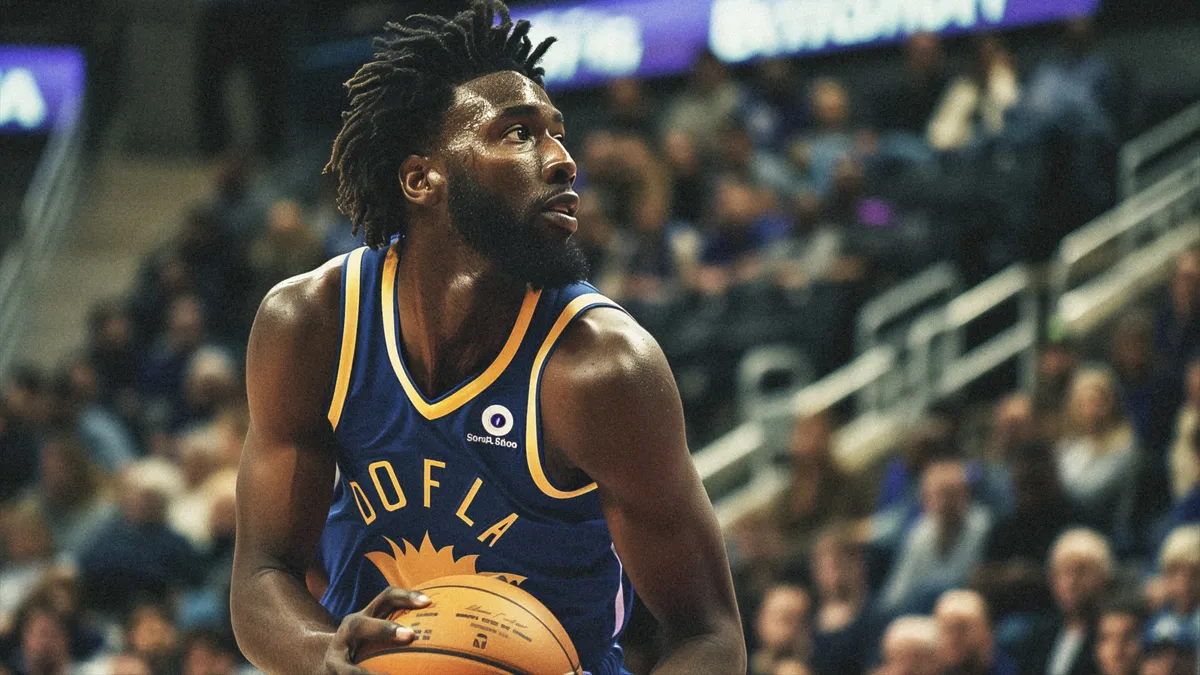
The Dallas Mavericks, an emblem of basketball ambition and enduring competitive spirit, embarked on their NBA journey as an expansion franchise in 1980. Conceived through the vision of original owner Donald Carter, alongside Norm Sonju and Dallas businessman Lee Roy Jordan, the team quickly established a foothold in a burgeoning sports market. Initially part of the Midwest Division, the Mavericks donned their signature green and blue, bringing professional basketball back to Dallas. The early years were characterized by the inherent struggles of an expansion team, but astute drafting and a commitment to building a competitive roster laid the groundwork for future success. Players like Mark Aguirre, Rolando Blackman, and Derek Harper emerged as foundational stars, cultivating a fast-paced, exciting brand of basketball that resonated with a growing fanbase. This initial era saw the Mavericks make their first playoff appearances, culminating in a memorable Western Conference Finals run in 1988, signaling their arrival as a legitimate force in the league.
From Expansion Dream to NBA Powerhouse: The Mavericks' Genesis
The creation of the Dallas Mavericks was a testament to the city's desire for a professional basketball presence. After a bid was approved in 1979, the team officially debuted in the 1980-81 season, playing their home games first at Reunion Arena. The franchise's name, 'Mavericks', was chosen through a public contest, reflecting the independent and pioneering spirit associated with Texas. Despite a challenging inaugural season, the team quickly began to assemble a talented roster. Under coaches like Dick Motta, they fostered a reputation for high-scoring offense and an entertaining style of play. Key draft picks in the early to mid-80s, including Aguirre, Blackman, Harper, Sam Perkins, and Roy Tarpley, formed the core of a team that steadily climbed the ranks of the Western Conference. Their consistent improvement and multiple playoff berths in the latter half of the decade firmly established the Mavericks as a formidable and respected NBA franchise, demonstrating the potential for long-term excellence born from an expansion dream.
The Ascent of the Teutonic Titan: Dirk Nowitzki's Undeniable Mark
The late 1990s and 2000s ushered in the most transformative era for the Dallas Mavericks, indelibly shaped by the arrival of Dirk Nowitzki. Drafted in 1998 and acquired in a draft-day trade, the lanky German forward initially faced skepticism, but he swiftly blossomed into an NBA superstar. His unique blend of shooting touch, interior scoring, and iconic fadeaway jump shot revolutionized the power forward position. Alongside Steve Nash and Michael Finley, Nowitzki led the 'Mavs' to consistent playoff contention. The acquisition of Mark Cuban as owner in 2000 injected new energy and resources, fueling the team's ambition. Nowitzki's individual accolades piled up, including an MVP award in 2007, solidifying his status as one of the greatest international players of all time and the undisputed face of the franchise. His unwavering loyalty and dedication to Dallas became a cornerstone of the team's identity, culminating in a truly historic achievement.
The Glory of '11: Crafting an Unforgettable Championship Narrative
The 2010-2011 NBA season stands as the pinnacle of Dallas Mavericks history, a campaign that culminated in an improbable NBA Championship. After years of playoff heartbreak, including a devastating loss in the 2006 NBA Finals, Dirk Nowitzki, leading a veteran-laden squad that included Jason Kidd, Jason Terry, Shawn Marion, and Tyson Chandler, embarked on an unforgettable playoff run. The Mavericks defied expectations, dispatching the favored Los Angeles Lakers, the dynamic Oklahoma City Thunder, and ultimately overcoming LeBron James, Dwyane Wade, and Chris Bosh's 'Big Three' Miami Heat in a thrilling six-game Finals series. Nowitzki's transcendent performances, particularly his clutch shooting and leadership, earned him the NBA Finals MVP award. This championship was not just a victory; it was a vindication of perseverance, teamwork, and the singular determination of a generational talent finally reaching the mountaintop, etching their names into sports lore as one of the most beloved underdog stories in NBA history.
Passing the Torch: The Dawn of the Dončić Dynamo
Following the glorious championship year and the eventual retirement of Dirk Nowitzki in 2019, the Dallas Mavericks faced the monumental task of identifying their next franchise cornerstone. This search ended spectacularly with the 2018 NBA Draft and the acquisition of Luka Dončić via a trade. The Slovenian prodigy immediately electrified the league, showcasing an astonishing array of skills: elite passing, prolific scoring, and a preternatural feel for the game. Dončić quickly ascended to superstardom, earning Rookie of the Year honors and multiple All-NBA selections, cementing his status as an MVP candidate and one of the league's most marketable global athletes. His dynamic play style has revitalized the franchise, injecting new excitement and establishing the Mavericks as a perennial playoff contender in the competitive Western Conference. The transition from the Nowitzki era to the Dončić era has been seamless, promising a bright and thrilling future for Dallas basketball.
Masterminds and Mavericks: Key Figures Shaping the Franchise's Destiny
The Dallas Mavericks' journey has been guided by a succession of influential figures. Beyond the iconic players, the ownership and coaching staff have played pivotal roles. Mark Cuban, who purchased a majority stake in 2000, revolutionized the franchise with his passionate, hands-on approach and willingness to invest heavily in analytics, player development, and fan experience. His tenure ushered in an era of sustained competitiveness and ultimately, a championship. Coaches like Don Nelson, who presided over the 'Run TMC' era and laid the groundwork for Nowitzki's growth, and Rick Carlisle, who masterminded the 2011 championship team, have left indelible marks with their strategic acumen and leadership. The consistent vision from the front office and the stability provided by key personnel have been instrumental in shaping the Mavericks' identity and fostering a culture of ambition and excellence that continues to define the team.
The Fervent Faithful: Embracing the Mavericks' Global Fanbase
The Dallas Mavericks boast one of the most passionate and dedicated fan bases in the NBA, both locally in North Texas and across the globe. From the enthusiastic crowds that fill the American Airlines Center (AAC) to the international supporters who follow every game, the 'Mavs faithful' are known for their unwavering loyalty and vocal support. The AAC, affectionately known as 'the Hangar', transforms into a cacophony of cheers and chants during home games, providing a formidable home-court advantage. The team's commitment to community engagement and the charismatic personalities of players like Dirk Nowitzki and Luka Dončić have cultivated a deep connection with their supporters. This global reach is a testament to the universal appeal of their competitive spirit and the exciting brand of basketball they consistently deliver, making the Mavericks a truly beloved and internationally recognized sports entity.
Beyond the Buzzer: The Mavericks' Lasting Cultural and Community Imprint
The Dallas Mavericks are more than just a basketball team; they are a significant cultural and community institution in North Texas. Through the robust Mavericks Foundation, established in 1996, the organization has consistently engaged in extensive philanthropic endeavors. Their initiatives focus on improving the lives of children, women, and families by supporting educational programs, health and wellness initiatives, and community development projects. From building basketball courts and providing school supplies to hosting clinics and making personal appearances, Mavericks players, coaches, and staff actively participate in giving back. This deep commitment to civic responsibility has forged an unbreakable bond between the team and its community, establishing the Mavericks as a force for positive change. Their influence extends far beyond the final buzzer, leaving a lasting legacy of generosity, inspiration, and civic pride that enriches the entire region.