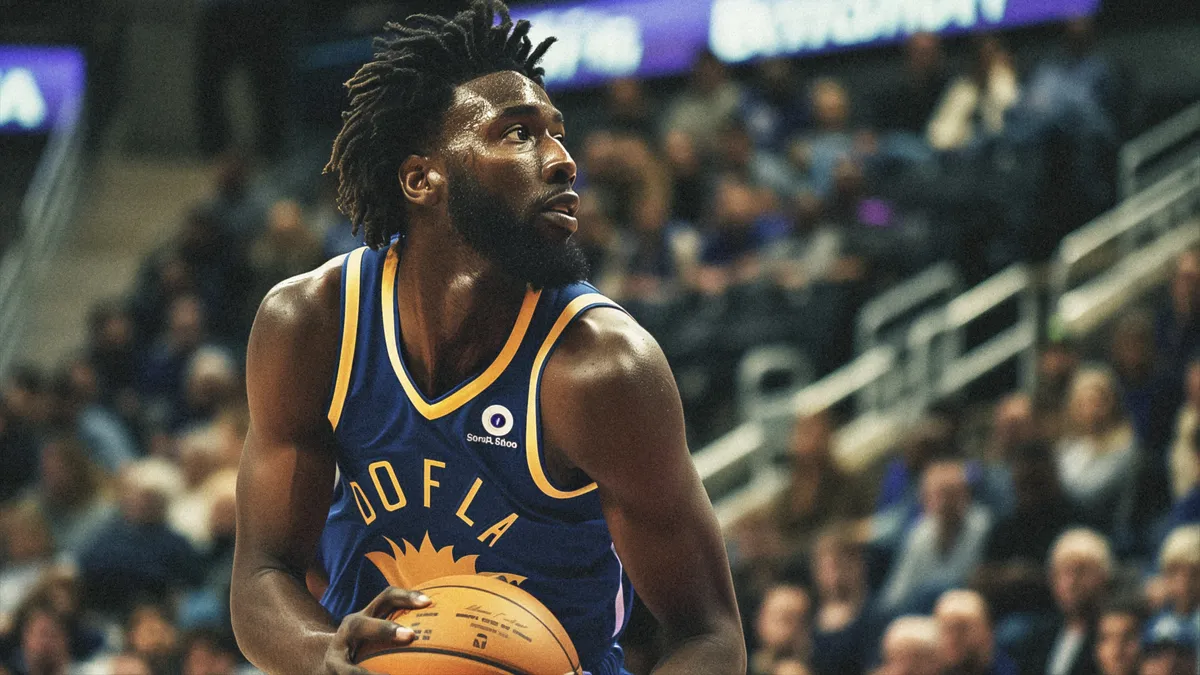
The Houston Rockets stand as one of the National Basketball Association's most enduring and impactful franchises, boasting a rich history punctuated by championship glory, iconic players, and a deep connection to its city. From their humble beginnings as an expansion team in the late 1960s to their current status as a formidable presence in the league, the Rockets have consistently captivated fans with their blend of athleticism, strategic brilliance, and sheer determination. Their journey is a narrative of evolution, marked by distinct eras that have each contributed to the team's legendary status and cemented its place in basketball lore.
From Sunny Shores to Bayou City: The Genesis of a Galactic Force
The franchise's story began in 1967 as the San Diego Rockets, an expansion team in the burgeoning NBA. After four seasons struggling to gain traction in Southern California, the franchise was purchased by a group of Houston-based investors and relocated to the Bayou City in 1971. This move marked a pivotal moment, laying the groundwork for the team's future identity and success. Initially, the Rockets found their footing gradually, assembling competitive rosters but often falling short of sustained excellence. The early years in Houston were characterized by promising individual talents, yet the collective breakthrough remained elusive, building anticipation for the transformative eras yet to come that would define the franchise's identity and competitive spirit.
The Reign of the Chairman of the Boards: The Moses Malone Era
The Rockets' first true taste of sustained success came with the acquisition of Moses Malone in 1976. A relentless rebounder and prolific scorer, Malone quickly established himself as one of the league's most dominant forces. His unparalleled work ethic and ability to control the paint propelled the Rockets to unexpected heights, including an improbable run to the NBA Finals in 1981, where they pushed the heavily favored Boston Celtics to six games. Malone earned two MVP awards during his tenure in Houston (1979 and 1982), solidifying his place as a franchise legend and a testament to the team's growing ambition. His leadership and incredible individual performances provided a blueprint for future Rocket stars, demonstrating that a single player could indeed elevate an entire franchise to competitive prominence through sheer will and skill, even against formidable adversaries.
The Twin Towers Ascend: Olajuwon and Sampson's Lofty Ambitions
The mid-1980s heralded a new era of excitement with the arrival of two towering figures: Hakeem Olajuwon and Ralph Sampson. Drafted first overall in 1984, Olajuwon immediately showcased his extraordinary athleticism and unique post-game, while Sampson, a seven-foot-four forward, provided a versatile complement. Together, they formed the formidable "Twin Towers," leading the Rockets to the 1986 NBA Finals, where they again faced the Boston Celtics, ultimately falling short but proving their potential. This duo, with their revolutionary size and skill, changed the landscape of the NBA, forcing opponents to adapt their strategies and showcasing a blend of talent that was both visually spectacular and incredibly effective. Their combined presence on the court created matchup nightmares and laid the foundation for the championship aspirations that would soon be realized.
Clutch City's Golden Age: Back-to-Back Banners Under Hakeem's Reign
The pinnacle of Rockets history arrived in the mid-1990s, a period famously dubbed "Clutch City." Following Michael Jordan's first retirement, Hakeem Olajuwon, now firmly established as one of the greatest centers of all time, seized the opportunity. In 1994, Olajuwon led the Rockets to their first NBA championship, dominating every opponent en route to securing the Finals MVP award. The team's resilience was on full display as they overcame formidable challenges, culminating in a thrilling seven-game series victory over the New York Knicks. The triumph was so profound that it earned the city its iconic nickname. The very next season, despite a mid-season slump and entering the playoffs as a sixth seed, the Rockets orchestrated an even more improbable run, acquiring Clyde Drexler and defeating four 50-win teams, including Shaquille O'Neal's Orlando Magic in the Finals, to capture back-to-back championships. Olajuwon's unparalleled two-way dominance, securing both MVP and Defensive Player of the Year awards, defined this golden era, creating a legacy of grit, determination, and ultimate success that continues to inspire.
Post-Dynasty Rebuilding and Star Power: The Yao and T-Mac Era
Following the championship years, the Rockets entered a period of rebuilding and retooling. The early 2000s brought new hope with the drafting of Yao Ming, a seven-foot-six Chinese center who quickly became a global sensation and a dominant force in the paint. His pairing with scoring dynamo Tracy McGrady, acquired in 2004, created another exciting duo. The "Yao and T-Mac" era was marked by dazzling individual performances and several playoff appearances, but injuries ultimately derailed their championship aspirations. Despite not reaching the Finals, this period cemented the Rockets' international appeal and continued their tradition of fielding star players who captivated audiences worldwide, leaving fans with a treasure trove of memorable individual plays and thrilling regular-season victories.
The Analytics Revolution and the Beard: The James Harden Years
The 2010s ushered in the James Harden era, a transformative period for the Rockets. Acquired in 2012, Harden evolved into one of the league's most prolific scorers and playmakers, redefining offensive efficiency under the analytics-driven philosophy of General Manager Daryl Morey. The Rockets consistently ranked among the league's top offenses and made multiple deep playoff runs, including two Western Conference Finals appearances. Harden's individual brilliance was recognized with the NBA MVP award in 2018, underscoring his unprecedented impact on the game. This era was characterized by a high-octane, three-point heavy offense and innovative roster construction, pushing the boundaries of conventional basketball wisdom and firmly establishing Houston as a perennial contender in the fiercely competitive Western Conference, even if a championship remained just out of reach.
Evolving Trajectories: Navigating the Modern NBA Landscape
Following the departure of James Harden, the Houston Rockets entered a new phase of their franchise history, focusing on youth movement and future-oriented development. This period has seen the team commit to nurturing emerging talent through the draft and strategic trades, aiming to build a sustainable contender for the next decade. While rebuilding phases often come with challenges, the Rockets' current trajectory is focused on cultivating a core of promising young players, instilling a new culture, and laying the groundwork for future success. The franchise remains dedicated to its passionate fan base, striving to return to the pinnacle of NBA contention and add more chapters to its already illustrious history, continuously seeking to innovate and adapt within the ever-evolving landscape of professional basketball.
Beyond the Court: Cultural Impact and Enduring Fandom
The Houston Rockets are more than just a basketball team; they are a cultural institution deeply embedded in the fabric of Houston. The team's successes, particularly the "Clutch City" championships, have fostered a fervent and loyal fan base that spans generations. The Rockets' impact extends beyond sports, contributing to the city's identity and pride. From community outreach programs to fostering local talent, the franchise plays an active role in the social development of the region. The iconic red, white, and gold colors, the "Rockets" name symbolizing Houston's connection to space exploration, and the enduring memories of its legendary players all contribute to a rich legacy that continues to resonate with fans, solidifying the Houston Rockets' status as a cherished pillar of the city's vibrant sports culture and a respected entity across the global NBA community.