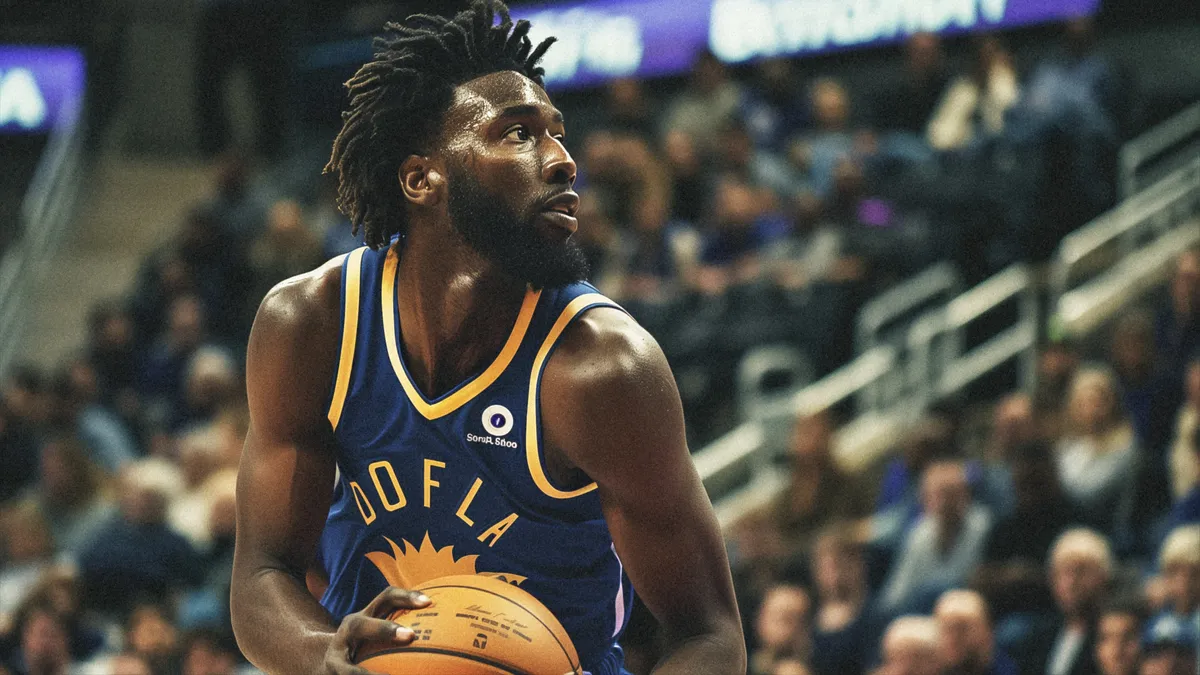
The Miami Heat stands as one of the most compelling and consistently competitive franchises in the National Basketball Association, a testament to an unwavering commitment to excellence born in the vibrant heart of South Florida. Since their inception as an expansion team in 1988, the Heat have transcended the typical trajectory of a nascent organization, evolving into a multi-championship dynasty renowned for its distinctive "Heat Culture," formidable play, and an unyielding will to win.
The Genesis of a South Beach Institution
Founded as part of the NBA's late-1980s expansion, the Miami Heat debuted in the 1988-89 season, initially struggling to find their footing in a league dominated by established powerhouses. Their early years were characterized by the arduous task of building a competitive roster from scratch, navigating draft picks, and making strategic acquisitions. Despite these challenges, the team quickly endeared itself to the burgeoning South Florida sports market, laying the groundwork for the passionate fanbase that would become a hallmark of the franchise. While initial success was limited, these foundational years were crucial in developing the organizational infrastructure and ethos that would eventually define the Heat.
Pat Riley's Vision: The Birth of "Heat Culture"
The true transformation of the Miami Heat began in 1995 with the arrival of Pat Riley, an NBA legend, as both President and Head Coach. Riley immediately set about instilling a demanding, disciplined, and relentless philosophy that would become famously known as "Heat Culture." This ethos emphasized hard work, mental toughness, physical conditioning, accountability, and a selfless, team-first mentality. It was a rigorous system designed to maximize every player's potential and create a winning environment. Under Riley, the Heat quickly rose to prominence, securing division titles and becoming a perennial playoff contender throughout the late 1990s, anchored by star players like Alonzo Mourning and Tim Hardaway.
The First Championship: Shaq and Wade's Dominance (2006)
After a period of rebuilding, Riley's vision culminated in the franchise's first NBA championship in 2006. This pivotal era saw the acquisition of superstar center Shaquille O'Neal to pair with the burgeoning talent of shooting guard Dwyane Wade, a dynamic duo that proved unstoppable. Wade's heroic performances in the NBA Finals, earning him MVP honors, alongside O'Neal's dominant presence, propelled the Heat to defeat the Dallas Mavericks in a memorable series. This championship validated "Heat Culture" on the grandest stage, solidifying the team's place among the league's elite and sparking an explosion of fan enthusiasm in South Florida.
The "Big Three" Era: A Dynasty Forged (2010-2014)
The summer of 2010 marked another watershed moment for the franchise with the unprecedented free-agent signings of LeBron James, Chris Bosh, and the re-signing of Dwyane Wade. This constellation of Hall of Fame talent formed the "Big Three," ushering in an era of unprecedented success and intense national scrutiny. Under the astute coaching of Erik Spoelstra, the Heat reached the NBA Finals four consecutive times, capturing back-to-back championships in 2012 and 2013. These years were defined by electrifying basketball, iconic plays, and intense rivalries that captivated the sports world, showcasing an evolving brand of team basketball and individual brilliance.
Post-Dynasty Resilience and Continuous Competitiveness
Following the departure of LeBron James in 2014, many predicted a significant decline for the Heat. However, true to "Heat Culture," the franchise demonstrated remarkable resilience and an ability to adapt. Through shrewd player development, strategic free-agent acquisitions, and a steadfast adherence to their core philosophy, the Heat consistently remained competitive. Players like Hassan Whiteside, Goran Dragić, and later, Jimmy Butler, emerged as leaders, guiding the team to multiple playoff appearances, including an unexpected run to the NBA Finals in the 2020 "bubble" season. This period underscored the organization's unique ability to build and sustain a winning mentality even without a traditional superstar-laden roster.
The Kaseya Center: The House of Heat
The team's home arena, now known as the Kaseya Center (formerly AmericanAirlines Arena), has become an iconic landmark in Downtown Miami. It's a venue that not only hosts world-class basketball but also embodies the vibrant, energetic spirit of South Florida. The arena's atmosphere during a Heat game is legendary, characterized by passionate fans, dynamic in-game entertainment, and a palpable sense of excitement that makes every contest a major event. The 'White Hot' playoff campaigns, where fans don all-white attire, further amplify the intense and intimidating home-court advantage.
Beyond the Hardwood: Community and Global Brand
The Miami Heat's impact extends far beyond the basketball court. The organization is deeply committed to community engagement, supporting numerous charitable initiatives, youth programs, and educational endeavors throughout South Florida. This dedication to civic responsibility reinforces their status as a cornerstone of the community. Globally, the Heat brand is synonymous with excellence, grit, and innovation, attracting a diverse international fanbase. Their distinctive uniforms, championship legacy, and association with the vibrant city of Miami have cemented their place as one of the NBA's most recognizable and respected franchises.
An Enduring Pursuit of Excellence
Today, the Miami Heat continue their relentless pursuit of another NBA championship. Guided by the enduring principles of "Heat Culture" and the leadership of Erik Spoelstra and Pat Riley, the team consistently defies expectations, develops talent, and remains a formidable force in the league. Their history is a rich tapestry of struggle, triumph, and unwavering determination, making the Miami Heat not just a basketball team, but a symbol of competitive fire and sustained success in the landscape of professional sports.